
The mechanics shared by futures prop firms
Example figures come from each firm’s official pages. 2026-11-04
Articles by topic
7 articles on topics shared by all six firms, in three groups. Below them is a summary of how evaluations and payouts work.
Getting started
How it works, contracts, platforms and trading hours
3 articlesRules explained
Drawdown, consistency rules and payout buffers
3 articlesFees and payouts
Fees, activation and receiving payouts
1 articlesHow it works, in short
Evaluation, funded account, payouts
Most futures props start with an evaluation on a simulated account. Hit the profit target without breaking the loss rules to pass.
Passing moves you to a funded account. At many firms this stage is still simulated, and payouts come from its profits.
Live capital usually requires review or an invitation. Example: at Topstep it is by risk team invitation.
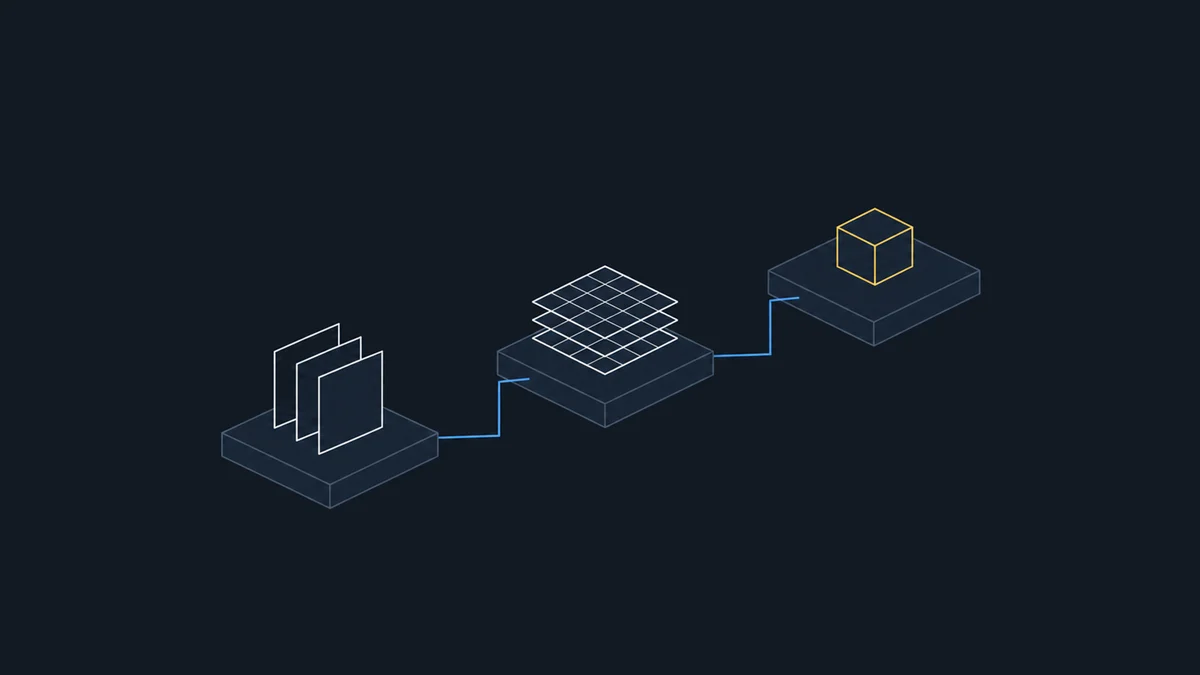
Take an evaluation
Trade a simulated account while hitting a profit target and staying inside loss limits.
Move to a funded account
Once you pass, you trade with the firm’s capital allocation. At most firms this stage is still simulated.
Get paid
Withdraw your profit at a fixed profit split.
Three ways a drawdown moves
The maximum drawdown is how much you are allowed to lose. If your balance falls below the level it sets (the loss floor), you lose the account. The floor moves in one of three ways.
End-of-day trailing: the loss floor rises with the end-of-day balance, not with intraday open profit.
Intraday trailing: the floor follows the highest balance during the session, including open profit. Because open profit raises the floor, it leaves less room than end-of-day trailing for the same amount.
Static: the floor never moves. Trailing drawdowns also often lock once they reach a set level, such as just above the starting balance.
The method can differ by plan. Apex sells both Intraday and EOD products.
- Balance
- Loss floor (end of day)
- Locks at $50,000
Daily loss limit
The most you may lose in one day. When you reach it, depending on the firm, you either lose the account or trading stops for the day.
In the Topstep evaluation you can choose whether to use a DLL. Reaching it does not fail you; it only stops trading for the day. Take Profit Trader’s Test currently has no DLL.
Consistency rules
It caps how much of your total profit may come from your best day, so one big day cannot carry a pass or payout.
The percentage differs by firm and stage: 55% in the Topstep evaluation, 40% in the LucidPro funded account. What happens when you exceed it also differs.
Payout conditions
Payouts come with conditions: a number of winning days, a minimum amount, a cap per payout, and often a buffer.
Example: Topstep XFA Standard needs five winning days of $150 or more; the minimum payout is $125. Across these six firms, the trader’s share in the sim funded stage ranges from 80% to 100%.
Monthly or one-time
Evaluations are either monthly until you pass or a one-time fee. Topstep and Take Profit Trader are monthly; Apex products launched on or after 2026-03-01, Lucid, Tradeify and My Funded Futures are one-time.
Some firms charge an activation fee after passing. Compare the total cost, not just the listed price.
Trading rules that differ
Holding: most firms require you to be flat by a set time every day.
Automation: allowed with conditions at Topstep; prohibited at Apex and Take Profit Trader.
News: some firms restrict new positions around CPI, FOMC and similar releases.
Hedging: all six firms prohibit opposite positions in the same or related products. The scope (across accounts, related products) differs by firm.